
Welcome to Litchfield Veterinary Hospital
At Litchfield Veterinary Hospital, we’re dedicated to providing compassionate, personalized care for pets and the people who love them.

About Litchfield Veterinary Hospital
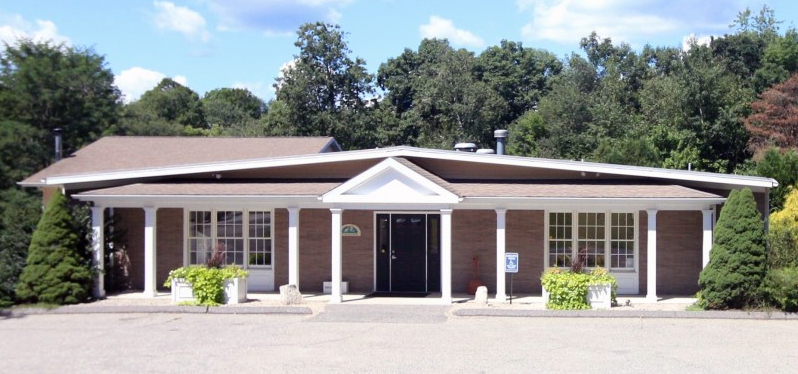
For more than 30 years, Litchfield Veterinary Hospital has provided compassionate, individualized care through a dedicated team of veterinarians, certified technicians, and support staff. Committed to a Fear Free approach, we focus on creating a calm, stress-free environment where pets feel safe, and families feel supported. From preventive wellness to advanced medical and surgical care — including endoscopy, laparoscopy, and in-house diagnostics — we blend innovation, experience, and compassion to deliver exceptional care for every patient.
Our mission is to practice exceptional medicine and surgery tailored to our patients’ individual needs in a Fear Free environment. With experience, dedication, and compassion, our entire healthcare team advocates complete, personalized care for your pet.

Veterinary Services in Litchfield and Surrounding Communities
We’re proud to care for pets across Litchfield, including Torrington, Bantam, Cornwall, Goshen, Salisbury, Lakeville, Norfolk, and Canaan.
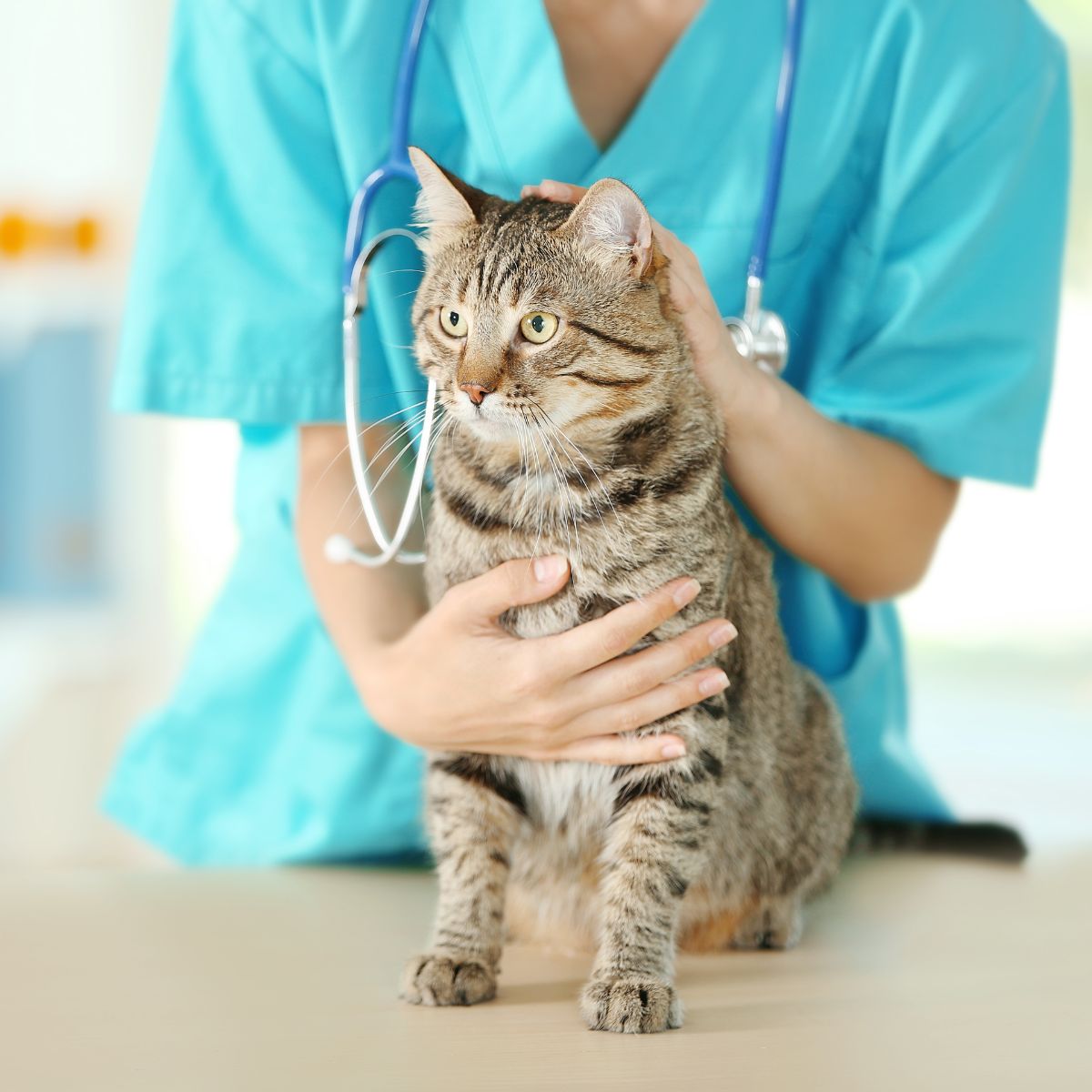
Meet the Litchfield Team
Our dedicated veterinary team is here to provide thoughtful, personalized care with a commitment to kindness, clarity, and collaboration. We take pride in building strong relationships with our clients and supporting your pet’s health with integrity and heart.
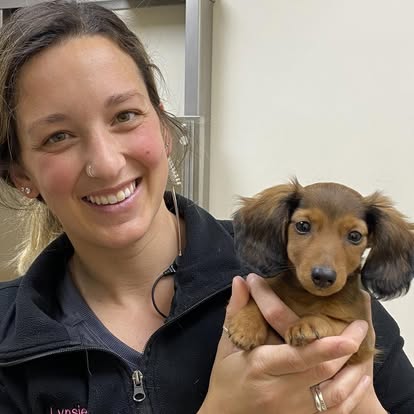

What Our Clients Are Saying
“Dr. Carey saved our kitten’s life. He has FIPS, a formerly deadly virus. Dr. Carey has been keeping up with trends and has prescribed a revolutionary antiviral medication that is saving the lives of cats with this disease.”
“Always exceptional!! Dr. Carey listens to us and is amazing with our dog. I never feel rushed. The care is the best!!”
“Excellent vet. I’d give it 10 stars if I could. Their staff is kind and friendly, and they go above and beyond for their furry clients. They made my girl feel like a queen and were patient and made her super comfortable – and I couldn’t ask for more.”
“Helpful and friendly staff. I am happy to have them help my pup. I have been going here for almost 10 years, and they are still great!”
Fear Free Care
Where Compassion Meets Expertise
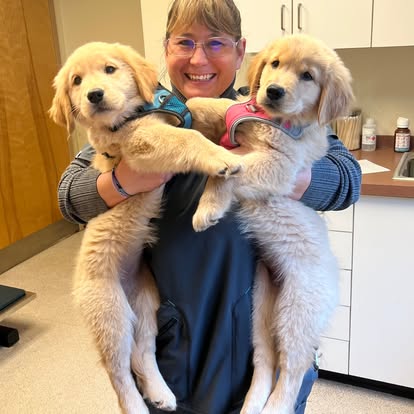
What Fear Free Care Looks Like in Our Hospital
Gentle, individualized handling
Every pet is unique, and we tailor our approach to their specific needs.
Comfort-focused environments
From soft lighting to thoughtful adjustments in our exam rooms, we work to create a safe space.
Soothing techniques
Calm voices, gentle handling, and food rewards help pets associate visits with positive experiences.
A calming atmosphere
White noise machines reduce background stress, while soft music plays throughout our treatment areas.
Pre-visit support
For pets prone to anxiety, we can recommend medications or tips to make carriers, car rides, and arrival less stressful.